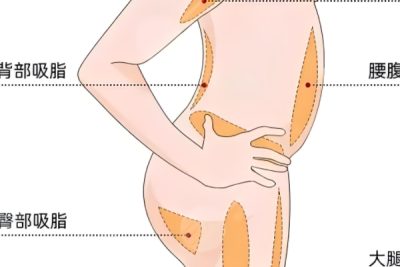
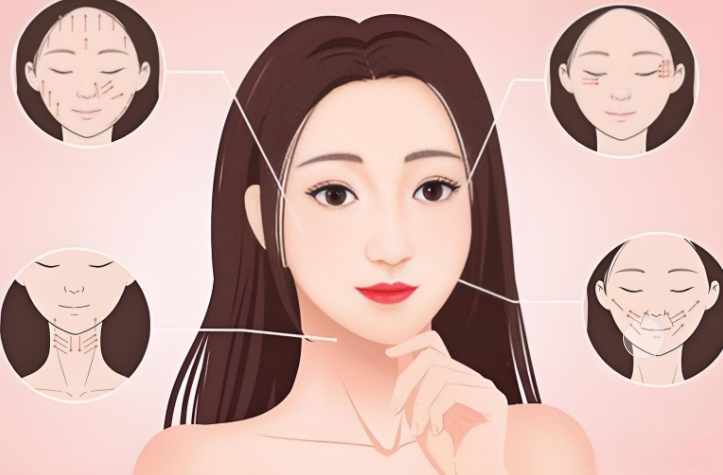
In recent years, there has been a new surge in medical and plastic surgery in Korea. Whether it is to experience a “light medical beauty” (e.g., a skin booster injection, a Liljulan, an HIFU) that works fast, or to do a “big contours” (e.g., eye and nose sculptor, facial contour, chest graft) that the southern part of Seoul, known as the “consorting one street”, always attracts the world's pageant.
However, transnational medicine is a double-edged sword. Lack of language, asymmetrical information, and differences in policy regulations have led many of the first-time medical newcomers to South Korea to step into the “No Bottoms”. On the basis of official reminders issued by the Chinese Embassy in Korea and the blood and tears of countless “persons of the past”, we have prepared for you a complete guide for you to go to Korea with more than 1,500 words for a new hands to avoid pits. It takes five minutes to read it before leaving, saves you tens of thousands of dollars and even keeps the operation safe.
Chapter I: Pre-departure preparation — How can formal institutions be screened?
The most important step to go to Korea is not to buy air tickets, but to select hospitals and doctors. There are thousands of orthopaedic institutions in Korea, of which fish dragons are mixed, and newcomers must learn to use official channels for back-up.
Recognition of “competence of foreign patients”
Under Korean law, medical and beauty institutions that legally receive foreign patients must be officially certified by the Korea Health Industry Renewal Institute (KHIDI) and be officially licensed to “access foreign patient medical institutions”.
There are many illegal “blackshops” or beauty salons hidden in writing buildings without such qualifications. In the event of a medical dispute, foreign patients will face a lack of protection of their rights. Before choosing a hospital, it is important to verify its presence on the official website.
Protection against “phantom surgery (shadow doctor)”
"Psychic surgery" means a well-known director of a star at the time of the meeting, but when you are anaesthetized and pushed into the operating room, it is an under-qualified intern or unqualified doctor who is actually carrying a knife.
How to avoid pits: Priority is given to transparency hospitals with “1:1 accountability” and “real-time operating room monitoring/CCTV disclosure”. When a contract is signed prior to the operation, it is essential that the name of the master surgeon be clearly stated in the clause and that “the law and liability will apply if the master surgeon is replaced”.
Chapter II: Prices and tax rebates — vigilance against the “two price systems”
On social platforms, there are often Internet users who spit: "Why do Korean natives sell millions to foreigners for hundreds of thousands of won?"
Prevention of profiteering by “illegal black intermediaries”
Some illegal intermediaries or so-called “independent translators” would take you to a very high-level clinic, doubling the cost of surgery. Moreover, “cash prices” (i.e., no bills, no cards, no cash discounts) are discussed jointly with illegal clinics to induce consumers.
No clinics that don't bill, lure cash! In the absence of a contribution certificate and a formal invoice, you did not have any legal defence evidence at the time of the accident.
2. Follow-up to the latest policy: focus on tax refund changes
In the past, foreigners have been able to perform beauty surgery at regular medical institutions in Korea and are entitled to approximately 7-10 per cent of medical returns at airports or at tax refund points. However, particular attention needs to be paid to the fact that the policy dynamics of the Korean Government are in the process of adjustment (part of the tax rebate benefits and the pilot policy face phasing out or adjustment).
New hands: On the first day of the interview, the head of the desk or the consulting office must be asked clearly: “Is this project still able to issue tax refunds?” If so, formal invoices and tax refunds must be sought after the operation; if the policy has changed or the agency is unable to provide, the difference needs to be charged to your general budget.
Chapter III: Interviews and communication - Do not be held by the Head of the Counselling Office.
In the Republic of Korea, most of the processes in plastics hospitals are: first see the head of the consulting room (Sales) and then see Dr. Doctor.
Alerting the Director of the Counselling Unit on “anxiety marketing”
The chief of the Korean consulting office is essentially a high-level sales. You might have just cut your eyelids, but after a little bit of her "sniffing," you'd feel like you needed a nostrils, antagons, fat.
Keep your mind strong! The recommendations given by the Chief of the Office can only be used as a reference, and they relate to specialized medical issues, such as surgical programmes, the location of the incisions, and prosthesis, which must be based on the diagnosis of the chief of the knife that was subsequently seen.
“Gold ten minutes” for the face doctor
The meeting time of the Korean good president was invaluable. To communicate efficiently, it is recommended that you:
I've got a case chart with a picture of the aesthetic style you like and a picture of the absolutely unacceptable style.
List of issues: In advance in a memorandum (e.g., where is the surgical cut? What kind of anesthesia? How long does it take to recover?
Select a professional medical interpreter: If the hospital does not have a Chinese translator, hire a professional medical translator with a regular translation certificate at your own expense, instead of a normal tour guide. Medical terminology differs by one word and the effects of the operation may vary considerably.
Chapter 4: Pre-operative management - these mandatory requirements must be observed
Transnational plastics tend to be time-consuming, with many neglecting post-operative physical rigidities, resulting in the postponement or failure of the operation.
1. Pre-operative red line
(b) In the case of sleep anaesthesia (intravenous anaesthesia) or general anaesthesia, a six- to eight-hour ban on water (including gum, candy, even a sip of water) must be strictly applied prior to the operation. Otherwise, there would be vomiting backsliding in the anesthesia, which would cause asphyxiation and endanger life.
Medicines and living adjustments: Medicines with anti-condensation effects, such as aspirin, vitamin E and some herbs, must be discontinued during the first two weeks of the operation, otherwise there will be a haemorrhage; smoking and alcohol are strictly prohibited during the first two weeks of the operation.
Detailed preparation: Make-up is absolutely impossible on the day of the operation and the nail polish must be removed from the hands and feet (because the saturation of blood is monitored through a nail clip during anaesthesia).
2. Post-operative recovery and decompression
In order to accelerate the loss of pre-return swelling, Korean clinics usually offer very indigenous scientific advice:
(b) The first three days of the operation were colded with an ice bag to contain bleeding and reduce swelling; the fourth day was replaced with a heat dressing to promote blood circulation and accelerate the spread of the bruises.
Straight positions and high pillows: Avoid long periods of bed rest or fallback for two to three days after the operation, and keep a seat or walk during the day. High pillow mattresses during sleep contribute to the return of facial blood and tissue fluids and reduce facial swelling.
It's strictly forbidden to press: Nasal aldicarb, severe coughing or excessive abdomen force in case of an instant increase in blood pressure resulting in a hidden wound or internal bleeding.
Chapter 5: Safe return — How long can we fly?
It is extremely dangerous for many to fly home after the second or third day of surgery in order to get to work.
The low-pressure, extremely dry environment in the cabin is a great test for a body that has just undergone surgery, with wounds or prostheses. Changes in air pressure may lead to a recently closed microvascular fracture, causing severe haematoma.
Official security flight time reference:
Light medical beauty/injection type (skin booster injections, botulinum toxin): 24 - 48 hours after the operation, when the needle eye is completely closed, it is available for flight.
A five-man microbreed (eyeslids, eye openings): It is recommended to stay for at least three to five days.
Large surgical types (snose, chest, fat): It is recommended to stay for at least 7 - 10 days, usually after the first line is removed in the hospital and the doctor assesses that the wound is not at risk before boarding.
Large skeletal surgery (lower horns, double jaws): It must be medically prescribed, normally a stay of about two weeks and a " certificate of seaworthiness " required by the airline.
Concluding remarks: How can we defend our rights in the event of a dispute?
In the event of an unfortunate “turn-over” or a medical dispute in South Korea, it is important not to go blind in hospitals, which could lead to deportation in violation of the law.
Please preserve the following five core pieces of evidence:
Surgery contract and informed consent
Formal contribution invoices/tax refund certificates
Pre-operative and post-operative comparisons (high-clean, non-filter)
Medical records and medical records (required in English or Korean before discharge from hospital)
Legal channels for the defence of rights:
The Korea Medical Dispute Mediation Institute (K-MEDI) can be contacted at the first time to apply for official mediation or to file a complaint with the Korea Health Industry Renewal Centre for foreign patients.
It's a pleasure trip to Korea, but it's always safe to be beautiful. It's only by doing your homework, maintaining your senses, refusing to be blind, and legally reserving your testimony that you will be safe and secure on your way to Korea.